Archilogic AG · Zürich

Cinematic
Rendering Pipeline

Archilogic's platform let users configure and explore architectural models in real-time — but real-time rendering has inherent visual limits. I implemented a pipeline that let any user request a photorealistic render of their model directly from the interface, without leaving the platform. Users could define their own camera bookmarks to capture multiple angles, then trigger a full ray-tracing job on a cloud Blender server with a single click — receiving a high-quality image by email within minutes.

Before / After
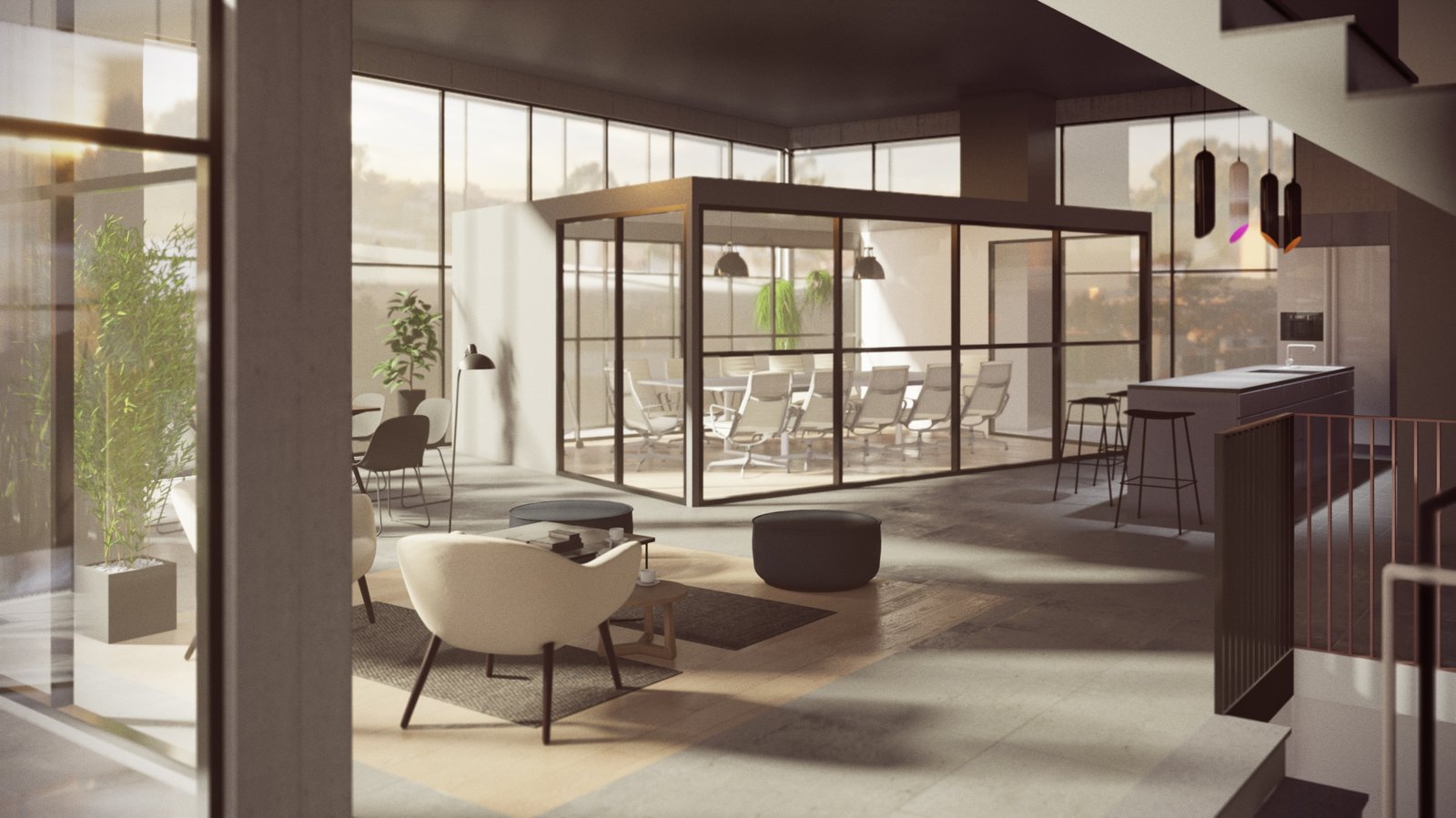
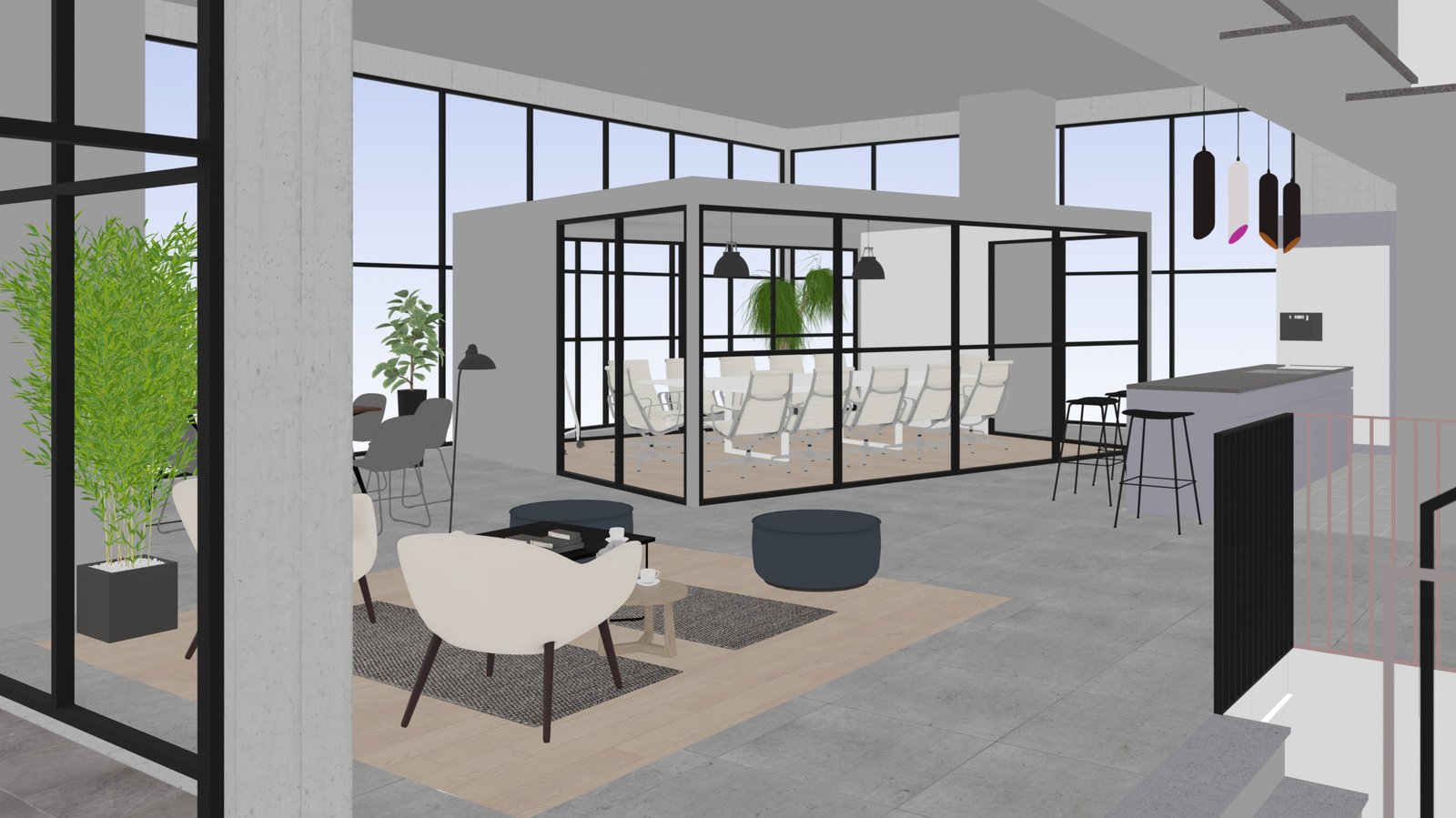
Archilogic real-time viewport — flat shading
Cycles ray-tracing render — cinematic output
Real-time viewport Cycles render

Drag to compare · same camera angle · same model — viewport vs. ray-tracing output

Pipeline architecture
My contribution
Back-end team
01
Front-end trigger
User selects a camera bookmark from the 3D viewer and initiates the render request. The script captures the full camera state and model context.
JavaScript TypeScript Camera bookmarks
02
Archilogic Core Engine
Back-end micro-services handle API routing, job queueing, and data3D export — preparing the scene data for the render server.
API Job queue data3D export
03
AWS Blender server
Headless Linux instance on AWS, configured and maintained for automated Blender rendering — spinning up on demand per job.
Linux AWS Headless Blender
04
Blender / Cycles render script
Python automation built on the light-baking pipeline: data3D import, material conversion, lighting synchronisation, Cycles render parameters, compositing passes, and final image export.
Python Blender / Cycles Compositing Material conversion
05
Delivery
Final image delivered asynchronously to the user via email, with internal monitoring via Slack (#ace_results).
Email Slack
My contribution

Automated rendering feature development: duplicating and adapting the light-baking pipeline logic, writing the Python render script, configuring the headless AWS Blender server on Linux, and implementing the front-end trigger. The back-end team handled API routing, machine availability, and delivery infrastructure. The result was a production-deployed feature for by Archilogic users to generate photorealistic renders of their interactive spaces on demand.
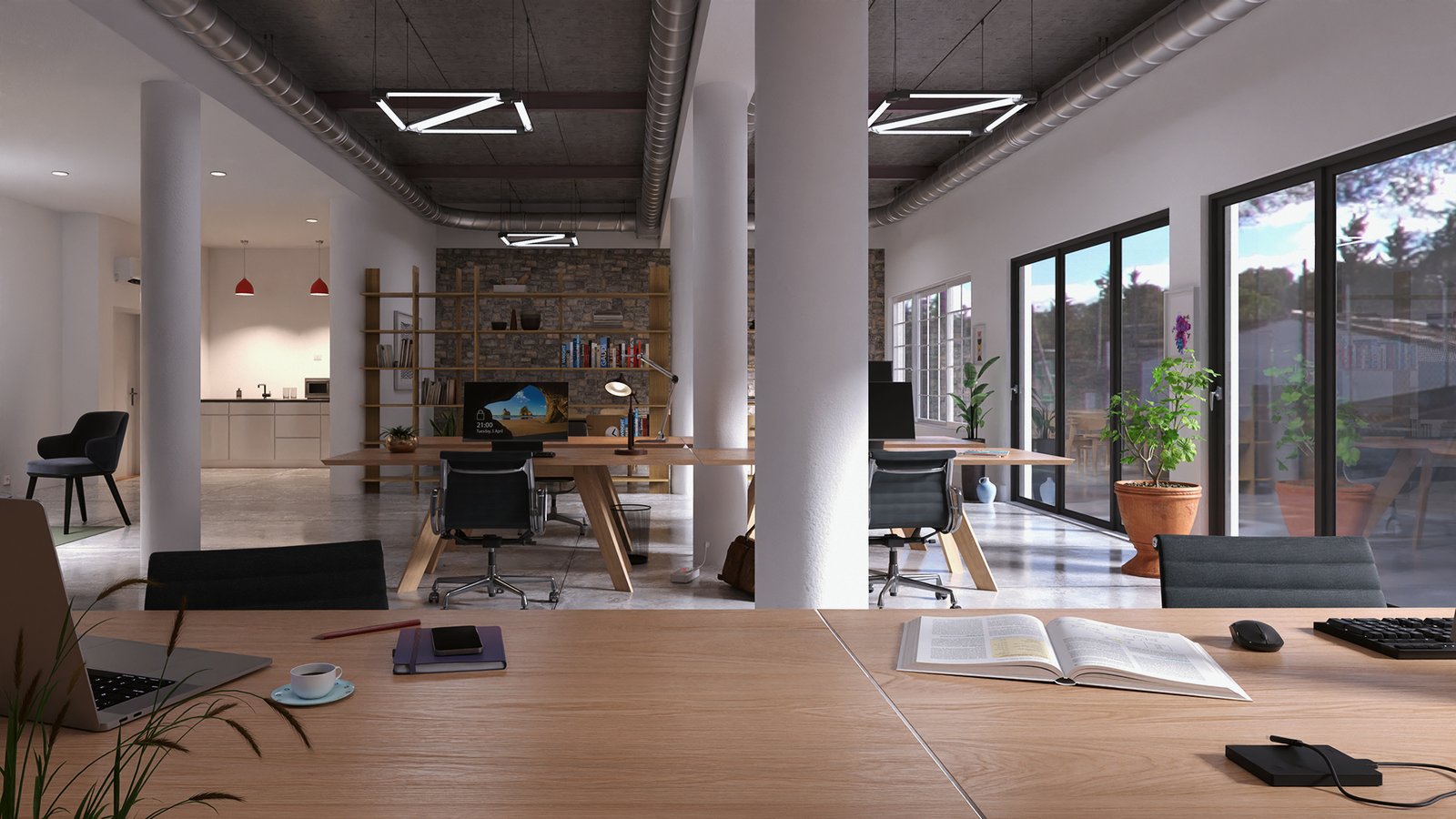
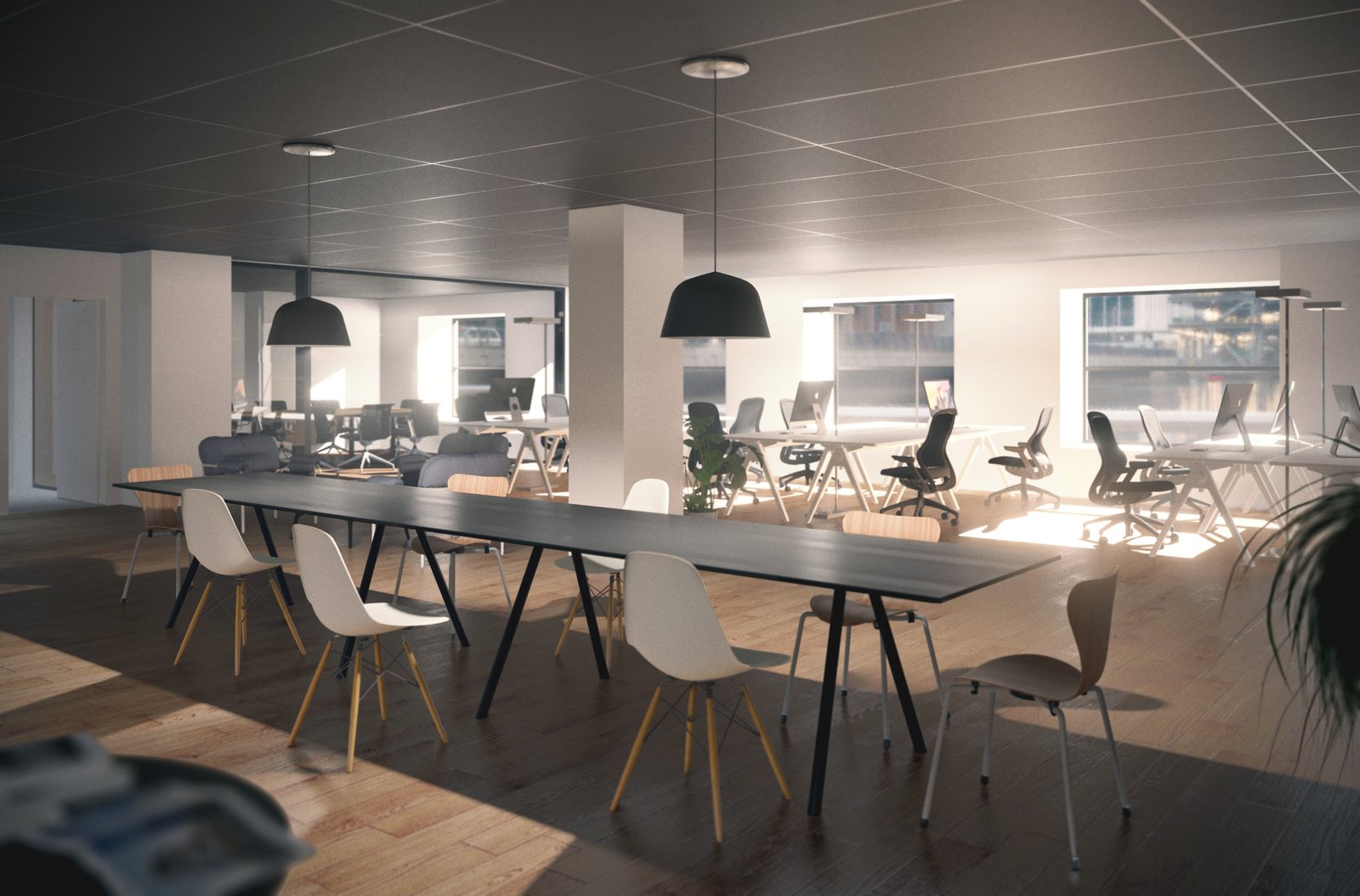
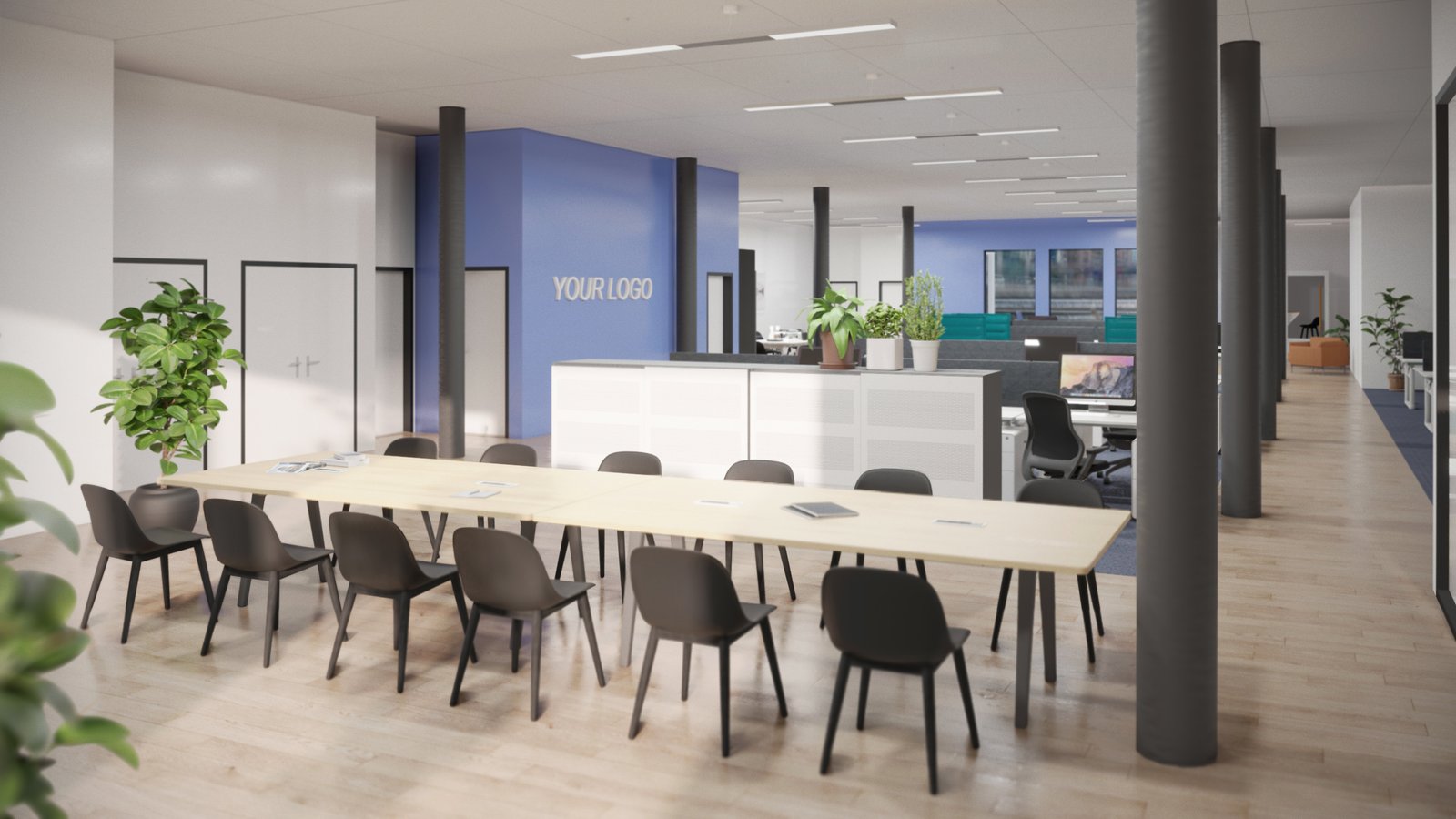
Render examples
Stack
Python Blender / Cycles JavaScript / TypeScript AWS EC2 Linux Archilogic Core Engine data3D format Slack API